01
Strength
Produce enough force to move the load.
For Firefighter Candidates
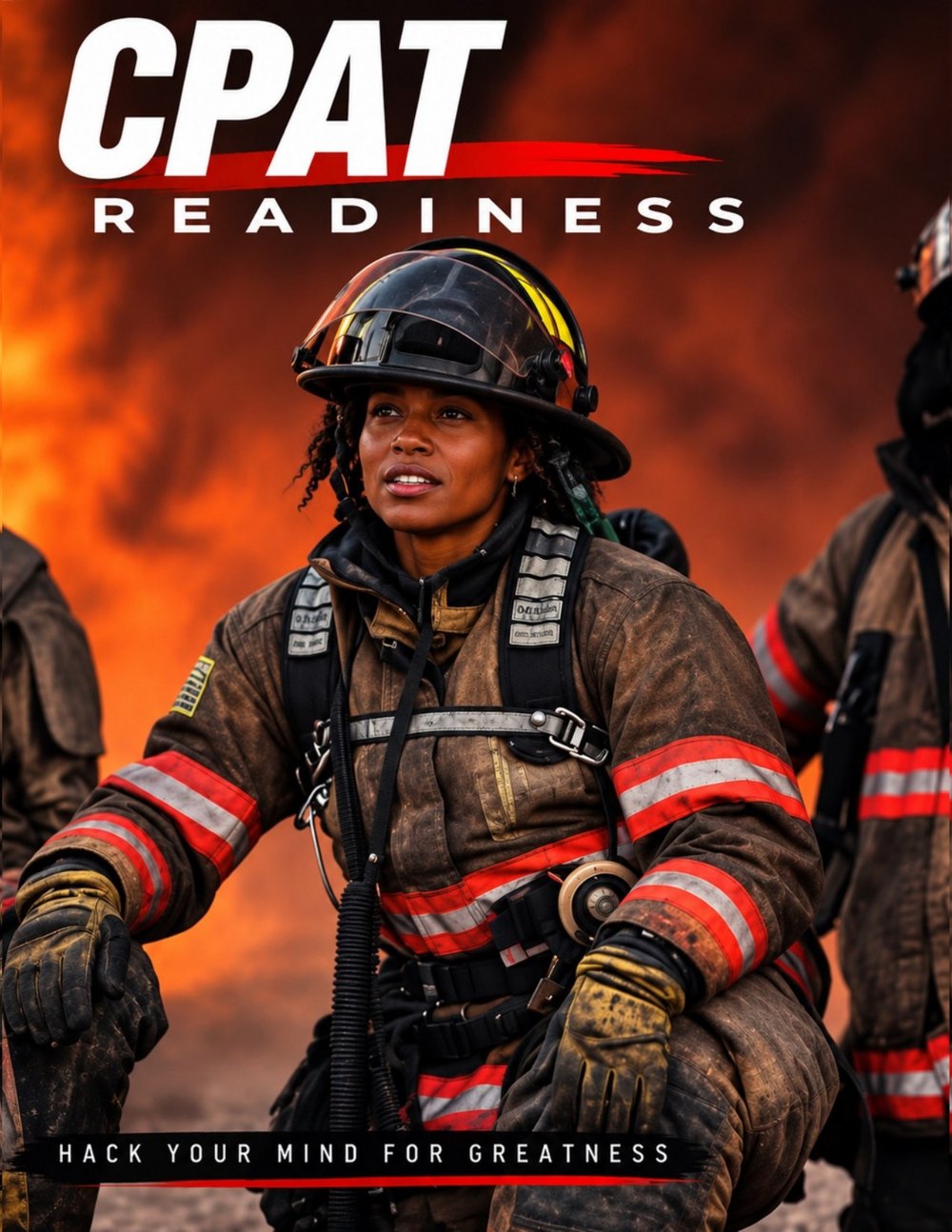
The 8-week training guide built around the 8 events of the CPAT. Strength, work capacity, efficiency, and breathing, trained together so you walk in prepared.
Instant digital access • 32-page guide • One-time payment
Bench, squat, deadlift, run. None of it guarantees you can pull, drag, carry, crawl, and press back to back with your heart rate through the roof.
The CPAT tests usable strength: force you can produce again and again while you are gassed.
Most candidates train hard. Few train specific.
What the CPAT actually tests
Produce enough force to move the load.
Repeat that force while your heart rate is elevated.
Move with control so you do not waste energy.
Focus on your breathing. This made the biggest difference.
Build the movement. Build the load. Build the speed.
Week by week
Week 1
Learn the patterns.
Week 2
Add steady capacity.
Week 3
Introduce manageable loaded work.
Week 4
Link efforts together.
Week 5
Perform while tired.
Week 6
Practice the demands of the test.
Week 7
Sharpen without grinding.
Week 8
Arrive fresh and ready.
What's inside
32-page PDF. Phone or print.
Every station
Event 1
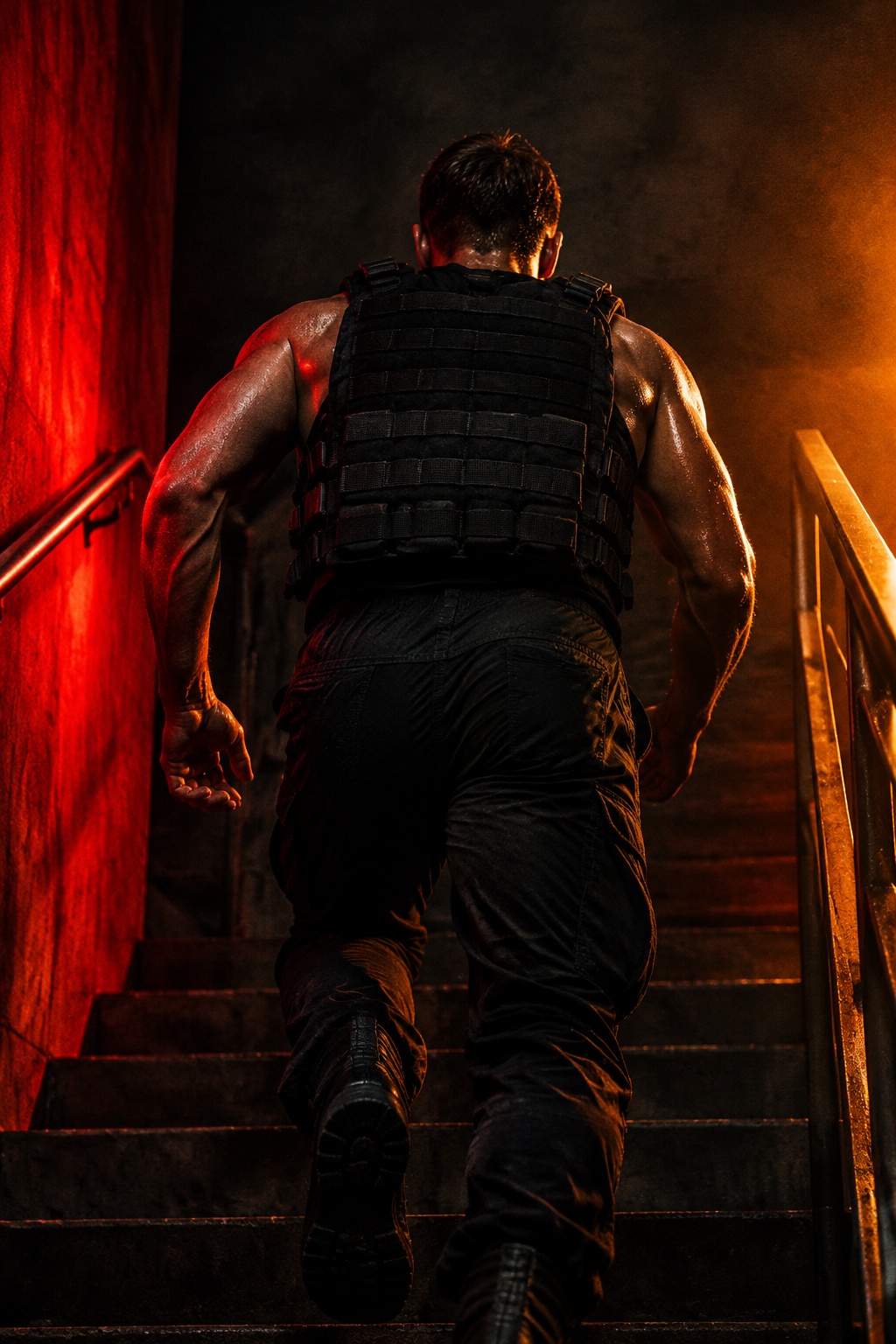
Trains: Stairs, intervals, loaded vest work, pacing and breathing
Event 2
Trains: Sled pulls, rows, leg drive
Event 3
Trains: Farmer's carries, grip, loaded walking
Event 4
Trains: Overhead and upper back strength, grip control
Event 5
Trains: Rotational power, cable swings
Event 6
Trains: Bear crawls, shoulder and core endurance
Event 7
Trains: Backward sled drags, posterior chain, Zerchers
Event 8
Trains: Thrusters, presses, full-body power
Real tips
"During the test I counted each step: 60 steps a minute. It told me how much longer I had and kept me focused on breathing."
"The hose drag is the only time you can run during the CPAT. Build your leg endurance."
"The less gassed you are after forcible entry, the better. The dummy drag is right after."
"If you train harder than the test, the test will feel easy."
From the creator
I wrote this guide from my own CPAT preparation. I started stair work with a 60 lb vest and built up to 80 lbs before my test.
The biggest lesson: weightlifting strength is valuable, but CPAT readiness means using that strength while pulling, dragging, carrying, crawling, and pressing, then recovering fast.
This is the plan I wish I had from day one.
Founder, Live By Love LLC
One-time payment
$10
Secure checkout with Stripe • Instant access after payment
Questions
Trust your training. Trust your body. Finish the job.